You’ve poured your efforts into crafting the perfect promotional message, designed eye-catching graphics, and set ambitious marketing goals. Now, imagine this: your campaign launch date is looming, your print-ready files are submitted, and suddenly, you receive a call. Your trusted printing partner, the one you’ve relied on for years, informs you they can’t meet the deadline. The meticulously planned event, the carefully timed product launch all hang precariously in the balance. This isn’t just a hypothetical scenario; it’s a predicament countless businesses face, and one we’ve encountered firsthand. We once had a client rush into our Lancaster facility, their face etched with despair. Their previous printer, despite assurances, had fallen through on a critical postcard order for a major local event. Production was stalled, and time was ticking. Recognizing the urgency, our team immediately assessed their needs, adjusted our schedule, and within hours, those crucial postcards were printed, trimmed, and ready for distribution. We understood that for them, it wasn’t just a print job; it was the lifeblood of their upcoming promotion. This experience, among many others, has cemented our commitment to not just meeting expectations but exceeding them, especially when the stakes are high. It’s this dedication to reliability, combined with our deep understanding of printing technologies and local market nuances, that informs our expertise in banner printing.
When considering ‘Banner Printing Trends in Lancaster,’ it’s essential to understand the dynamic landscape of visual communication. Much like the fertile farmlands surrounding Lancaster continually adapt to new agricultural practices, banner printing evolves with technological advancements and shifting consumer preferences. This article will explore key trends shaping banner production in the region, offering insights into material innovations, design considerations, technological impacts, and the ever-present emphasis on sustainability.
The bedrock of any banner lies in its material. While polyvinyl chloride (PVC) vinyl has historically dominated the market due to its durability and cost-effectiveness, a significant shift is occurring, driven by environmental concerns and advancements in textile manufacturing.
Eco-Friendly Substrates: A Greener Horizon
The demand for sustainable alternatives in Lancaster, mirroring a global trend, has spurred the development and adoption of eco-friendly banner materials. Businesses are increasingly conscious of their environmental footprint, and choosing greener printing options aligns with corporate social responsibility initiatives.
- Recycled Materials: Banners made from recycled plastic bottles (rPET) or other post-consumer waste are gaining traction. These materials offer comparable durability and print quality to virgin vinyl but significantly reduce the reliance on new plastics. Their lifecycle impact, from production to eventual disposal, is a critical consideration for environmentally conscious brands.
- Biodegradable and Compostable Fabrics: Innovations in fabric technology have led to the introduction of banners made from materials that can decompose under specific conditions, reducing landfill burden. While still a niche market compared to traditional vinyl, their appeal is growing, especially for temporary installations or events where responsible disposal is a priority.
- PVC-Free Alternatives: Beyond recycled plastics, various PVC-free options are emerging. These often include polypropylene (PP) or polyethylene (PE) based materials, which, while not always biodegradable, are generally considered more environmentally friendly than PVC due to their simpler chemical composition and ease of recycling in certain facilities. The shift away from PVC is driven by concerns regarding the release of harmful chemicals during its production and disposal.
Enhanced Durability for Lancaster’s Climate
Lancaster experiences a full spectrum of weather conditions, from hot, humid summers to cold, snowy winters. This necessitates banner materials that can withstand the elements without fading, tearing, or degrading rapidly.
- UV Resistance: Exposure to intense sunlight can quickly fade colors on banners. Advanced UV-resistant inks and treated materials are crucial for maintaining vibrancy and visual impact over extended periods, particularly for outdoor signage. Our experience in the region has shown that banners not adequately protected against UV radiation can show significant deterioration within months, diminishing their effectiveness.
- Tear and Wind Resistance: Outdoor banners, especially large formats, are susceptible to tearing in strong winds. Reinforced vinyl, mesh banners (which allow wind to pass through, reducing stress), and specialized fabric banners with greater tensile strength are becoming standard. Mesh banners are particularly popular for scaffolding wraps and construction site signage, where wind load is a significant factor.
- Temperature Extremes: The ability of banner materials to remain flexible and intact across a wide range of temperatures is vital. Materials that become brittle in cold or excessively pliable in heat can lead to structural failure and a diminished lifespan. Manufacturers are continuously refining formulations to ensure optimal performance in varying climatic conditions.
As businesses in Lancaster continue to adapt to evolving marketing strategies, staying informed about the latest banner printing trends is essential. An insightful article that complements this topic can be found at Ultimate Print Solutions, which discusses various printing services, including flyer printing, that can enhance promotional efforts. This resource provides valuable information on how to effectively utilize printed materials to capture audience attention and drive engagement.
Design Innovations and Visual Impact
The effectiveness of a banner hinges not just on its physical properties but also on its visual appeal and message clarity. Design trends in Lancaster reflect a broader move towards more sophisticated, brand-centric, and interactive visual communication.
High-Resolution Graphics and Photographic Quality
With advancements in print technology, the days of pixelated or low-resolution banner graphics are rapidly fading. Consumers expect crisp, vibrant imagery, even on large formats.
- Superior Ink Technology: Latex, UV-cured, and solvent inks have dramatically improved in their ability to render fine details and a broad color gamut. Latex inks, in particular, are favored for their environmental profile, fast drying times, and excellent print quality on a variety of substrates. UV-cured inks offer exceptional durability and scratch resistance, making them ideal for outdoor applications.
- Large Format Photography: Businesses are increasingly incorporating high-resolution photography into their banner designs. This allows for stunning visual narratives, showcasing products, services, or brand ethos with compelling realism. The quality of images required for banners of several meters in size demands professional-grade photography and meticulous attention to detail in image preparation.
- Vector Graphics: While photographic elements are powerful, scalable vector graphics remain indispensable for logos, text, and geometric patterns. Their ability to be resized without loss of resolution ensures sharp, clean lines regardless of banner dimensions, a critical factor for maintaining brand integrity on large displays.
Interactive and Dynamic Elements
Static banners are evolving to incorporate elements that engage viewers beyond a simple glance.
- QR Codes and Augmented Reality (AR): Integrating QR codes has become commonplace, allowing viewers to quickly access websites, promotions, or social media channels via their smartphones. More advanced applications include AR elements, where a banner acts as a trigger for a digital experience when viewed through a smartphone camera. Imagine a banner for a local attraction that, when scanned, overlays a 3D model of the attraction or plays a promotional video directly on the user’s screen.
- Lighting Integration: For impactful nighttime visibility, banners are no longer solely reliant on external floodlighting. Backlit banners, utilizing translucent materials and internal LED lighting, create a captivating glow that enhances legibility and draws attention after dark. Forward-lit banners use specialized coatings and external, focused LED lighting to illuminate the design effectively.
- Modular and Transformable Designs: Banners are increasingly designed to be modular, allowing for reconfigurations to suit different spaces or events. This adaptability offers cost savings and reduces waste. Some banners feature interchangeable panels or can be easily collapsed and reassembled, providing greater versatility for businesses with evolving promotional needs.
Technological Advancements in Printing
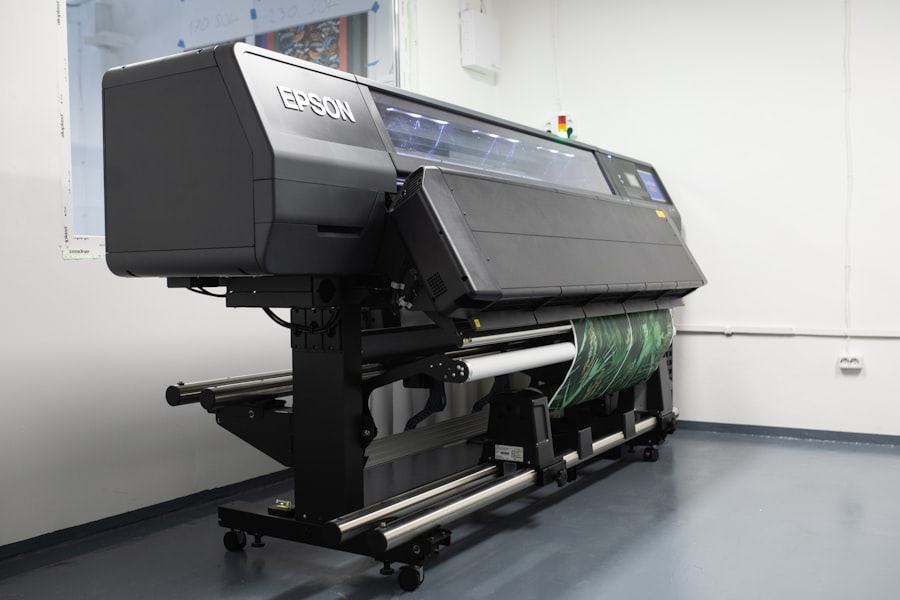
The engine driving these trends is the continuous innovation in printing technology itself. The banner printing landscape in Lancaster, like elsewhere, benefits from machines that are faster, more precise, and more versatile.
Automation and Efficiency
Modern printing operations prioritize efficiency and speed, crucial for meeting client deadlines, especially in a dynamic market.
- Workflow Automation: From file submission to finishing, automated workflows streamline the entire printing process. This includes pre-flighting software that checks files for potential issues, automated nesting for optimal material usage, and robotic cutting devices that ensure precise dimensions. This automation reduces human error and significantly cuts down production time.
- High-Speed Large-Format Printers: The latest generation of industrial-grade large-format printers can produce colossal banners at incredible speeds, without compromising on print quality. These machines often feature multiple print heads and advanced ink delivery systems, drastically shortening lead times for large orders.
- On-Demand Printing Capabilities: The ability to print banners on demand, even for small quantities, has become a key advantage. This reduces the need for businesses to hold large inventories of banners and allows for swift adaptation to changing marketing messages or event requirements.
Specialized Finishing Techniques
The final touches on a banner are as important as the print itself, contributing to its durability, functionality, and aesthetic appeal.
- Precision Cutting and Fabrication: Computer Numerical Control (CNC) cutting machines and advanced digital cutters ensure precise trimming, contour cutting, and intricate shaping that manual methods cannot achieve. This allows for banners in unique shapes, moving beyond the traditional rectangle.
- Reinforced Hems and Grommets: For outdoor banners, reinforced hems (often double-stitched or welded) and durably installed metal grommets are essential for secure hanging and preventing material tearing under tension. Advanced welding techniques create seamless, strong hems that are virtually indestructible.
- Lamination and Coatings: Applying specialized laminates or coatings can enhance a banner’s lifespan by providing additional protection against UV rays, abrasion, and moisture. Different finishes (matte, gloss, satin) can also dramatically alter the visual impact and feel of the banner, allowing for greater design flexibility.
The Rise of Digital Signage Integration
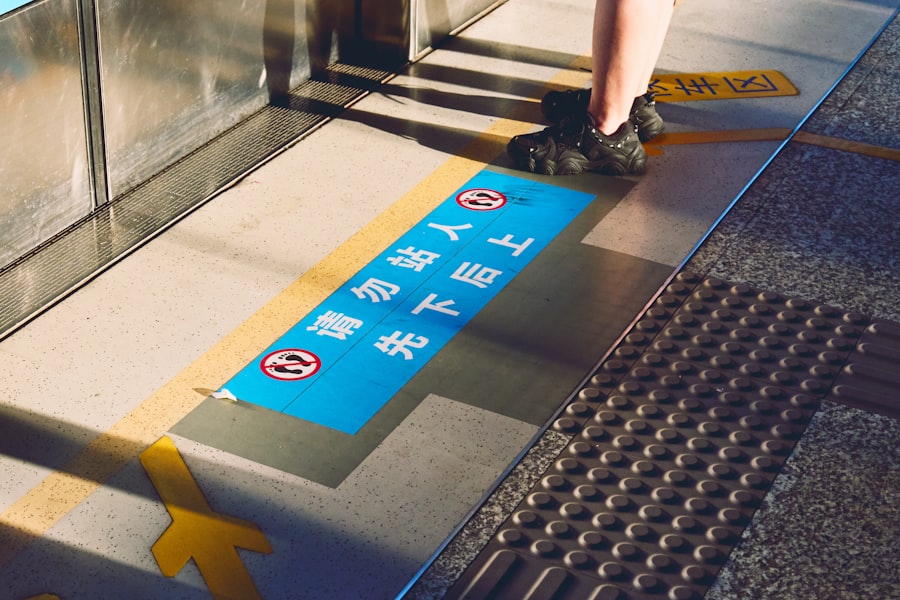
While physical banners remain a powerful visual tool, their role is increasingly being seen in conjunction with digital signage. This convergence offers a more dynamic and flexible approach to advertising and information dissemination.
Hybrid Marketing Strategies
Combining the physical presence of banners with the dynamic capabilities of digital screens creates a robust marketing ecosystem.
- Experiential Marketing: Large format banners can serve as a stunning backdrop for events, complemented by interactive digital displays that provide real-time information, social media feeds, or engagement opportunities. Imagine a branded banner at a trade show, with adjacent screens showcasing product demos or customer testimonials.
- QR Codes as a Bridge: As mentioned previously, QR codes on banners act as a direct link to digital content, effectively blurring the lines between static and interactive media. This transforms a passive viewing experience into an active engagement opportunity.
- Data-Driven Customization: While the physical banner itself is static, the digital elements it promotes can be highly personalized based on data analytics. This allows businesses in Lancaster to fine-tune their messaging for different demographics or time periods, maximizing the return on their visual communication investment.
Complementary Roles
Digital and physical signage are not in competition but rather serve complementary roles in a comprehensive visual strategy.
- Attention-Grabbing Static: Banners excel at establishing a strong, persistent brand presence and communicating key messages in locations where digital screens might be impractical or cost-prohibitive. Their sheer size and bold graphics inherently command attention.
- Dynamic Information Delivery: Digital screens, conversely, are ideal for frequently updated information, time-sensitive promotions, or content that requires animation and interactivity. They offer unparalleled flexibility in content deployment and modification.
- Brand Reinforcement: The consistent use of branding elements across both banner and digital platforms reinforces brand identity and strengthens recognition among the target audience in Lancaster and beyond.
As businesses in Lancaster continue to explore innovative ways to promote their brands, staying updated on the latest banner printing trends is essential. An insightful article on calendar printing highlights how integrating promotional calendars can complement banner advertising strategies effectively. For more information on this topic, you can read the article on calendar printing. This approach not only enhances visibility but also provides a practical tool for customers throughout the year.
Sustainability and Ethical Printing Practices
<?xml encoding=”UTF-8″>
| Year | Popular Banner Materials | Average Banner Size (ft) | Common Printing Techniques | Top Industries Using Banners | Estimated Market Growth (%) |
|---|---|---|---|---|---|
| 2021 | Vinyl, Mesh | 3 x 6 | Digital, Screen Printing | Retail, Events, Real Estate | 5 |
| 2022 | Vinyl, Fabric | 4 x 8 | Digital, UV Printing | Retail, Events, Construction | 7 |
| 2023 | Fabric, Mesh | 4 x 10 | Digital, Dye Sublimation | Events, Real Estate, Education | 8 |
| 2024 (Projected) | Eco-friendly Vinyl, Fabric | 5 x 10 | Digital, Eco-solvent Printing | Events, Retail, Non-profits | 10 |
Beyond the materials themselves, the broader trend towards sustainability encompasses the entire printing operation, reflecting a growing environmental consciousness within the industry and among consumers.
Reducing Waste and Energy Consumption
Ethical printing practices involve minimizing environmental impact throughout the banner production lifecycle.
- Ink Usage Optimization: Advanced printing software and expert print technicians work to optimize ink usage, reducing waste and ensuring precise color matching without excess application. The adoption of water-based inks also significantly lowers the environmental footprint compared to solvent-based alternatives.
- Energy-Efficient Equipment: Modern printing presses and finishing equipment are designed with energy efficiency in mind, consuming less power during operation and often incorporating features like automatic standby modes. Investing in such equipment reflects a commitment to operational sustainability.
- Responsible Disposal and Recycling Programs: Printers are increasingly partnering with recycling facilities and specialized waste management companies to ensure proper disposal of non-recyclable materials and to facilitate the recycling of suitable substrates. This “cradle-to-grave” approach to material management is vital for true sustainability.
Local Sourcing and Community Impact
Supporting local economies and reducing transportation emissions are also integral to sustainable practices.
- Local Material Suppliers: Prioritizing local suppliers for inks, substrates, and other consumables reduces the carbon footprint associated with transportation and supports regional businesses. This also often contributes to faster lead times and more responsive service.
- Fair Labor Practices: Ethical printing extends to ensuring fair wages, safe working conditions, and equitable treatment for all employees. Businesses and consumers are increasingly looking for partners who demonstrate a commitment to social responsibility.
- Community Engagement: Sustainable printers often engage with their local communities, participating in environmental initiatives, supporting local charities, and contributing to the overall well-being of the region. This strengthens their reputation as responsible corporate citizens within Lancaster.
In conclusion, the banner printing landscape in Lancaster is far from static. It’s a dynamic field continuously adapting to new technologies, evolving market demands, and a growing emphasis on environmental responsibility. For businesses, understanding these trends is not just about staying abreast of innovation; it’s about making informed choices that maximize the impact of their visual communication, ensure reliability, and align with their values. Just as we stepped in to ensure our client’s crucial postcards reached their destination on time, mastering these trends allows you to confidently navigate your own marketing journey, knowing your visual messages will be impactful, enduring, and responsibly produced.
Get FREE Quote
FAQs
What are the current popular materials used for banner printing in Lancaster?
In Lancaster, popular materials for banner printing include vinyl, mesh, and fabric. Vinyl is favored for its durability and weather resistance, mesh is used for outdoor banners to reduce wind resistance, and fabric offers a high-quality, professional look for indoor displays.
Which printing technologies are commonly used for banners in Lancaster?
The most common printing technologies for banners in Lancaster are digital inkjet printing and solvent printing. Digital inkjet printing provides vibrant colors and detailed images, while solvent printing offers durability and resistance to fading, making it ideal for outdoor use.
What sizes and formats are trending for banners in Lancaster?
Large-format banners remain popular in Lancaster for events, advertising, and promotions. Standard sizes like 24″x36″, 36″x72″, and custom large sizes are frequently requested. Roll-up and retractable banners are also trending for their portability and ease of setup.
Are eco-friendly banner printing options available in Lancaster?
Yes, eco-friendly banner printing options are available in Lancaster. Many printing companies offer banners made from recyclable materials and use eco-solvent or water-based inks to reduce environmental impact.
How long do printed banners typically last in outdoor conditions in Lancaster?
Outdoor banners printed with high-quality vinyl and solvent inks in Lancaster typically last between 1 to 3 years, depending on exposure to weather conditions such as sunlight, rain, and wind. Proper installation and maintenance can extend their lifespan.

0 Comments